
























Nutrition Calculator
How to Use Your Fueling Recommendations
Your marathon fueling plan is a skill you can train, just like your running. Use the guidelines below to help you turn your calculator results into a race-ready nutrition strategy.
1. Train Your Gut Early
If you’re newer to fueling or aiming to increase carbohydrate intake, start gut training at least 6–8 weeks before race day. Gradually exposing your gut to higher carbohydrate and fluid intake during long runs helps improve comfort and tolerance on race day.
2. Progress Slowly Toward Your Target
If the calculator’s recommended carbohydrate per hour or fluid per hour feels high, that’s okay, progression matters more than perfection.
Start at a level that feels manageable and increase intake gradually week to week.
Example:
Current intake: 30 g carbs/hour
Calculator target: 75 g carbs/hour
- Week 1: 30 g/hour
- Week 2: 40 g/hour
- Week 3: 50 g/hour
Continue building until you reach your target
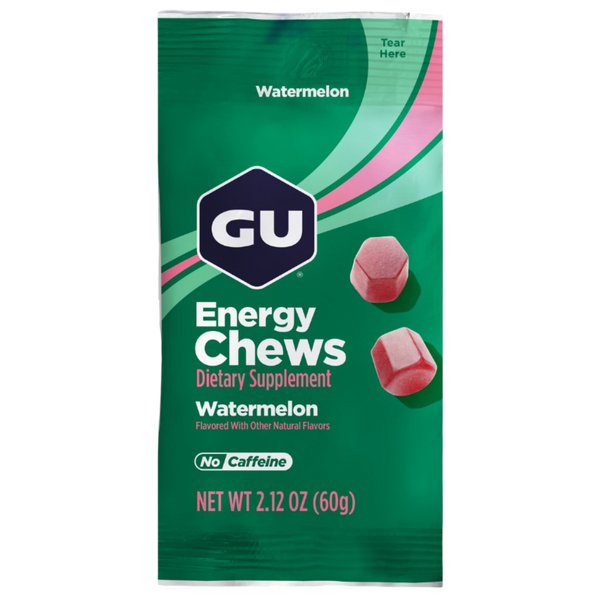
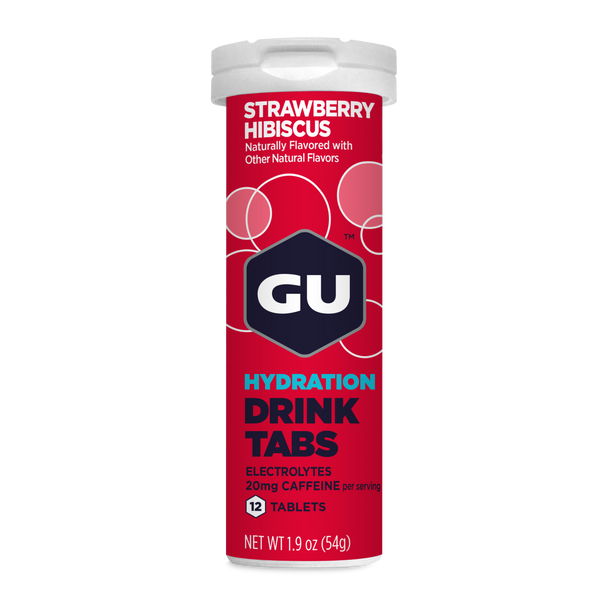
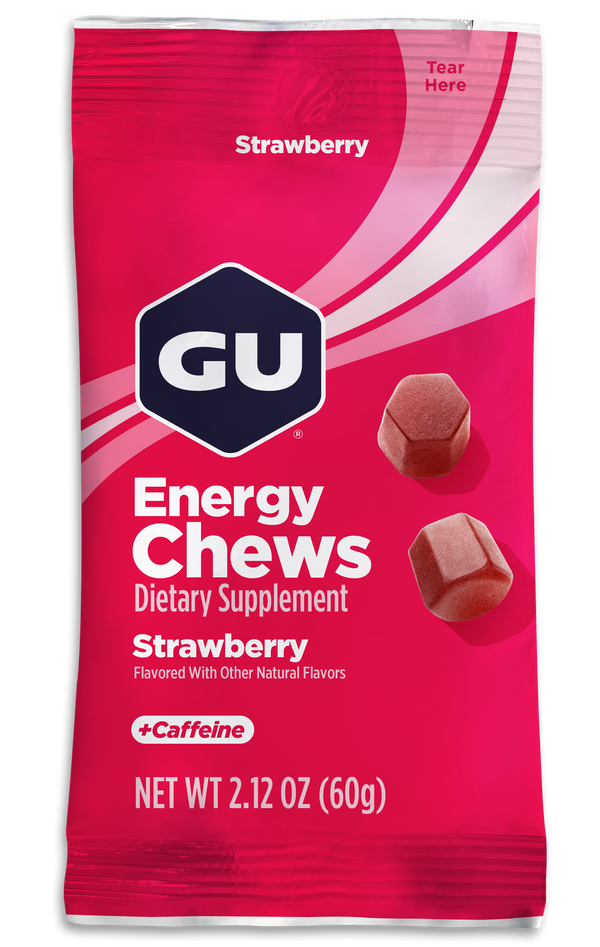
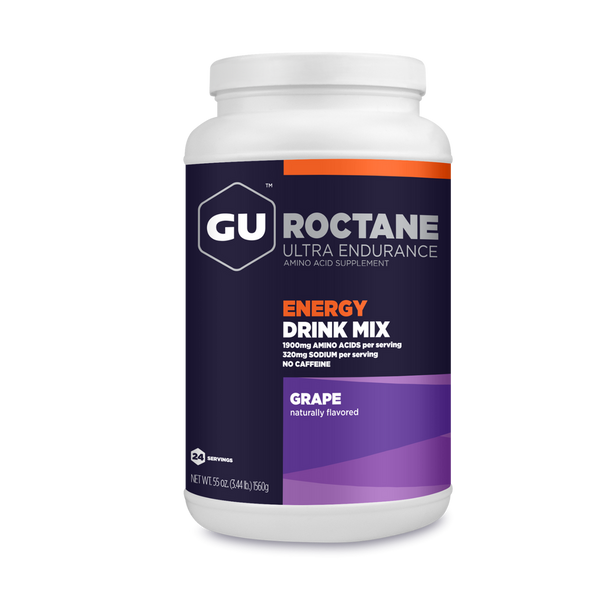
If you experience GI symptoms (bloating, fullness, nausea), hold steady for another week, or try varying your carbohydrate sources (drink mix, gels, chews). If symptoms persist, step back to the previous intake level and reassess. Smaller jumps (+5 g/hour during long runs) can help fine-tune individual tolerance.
3. Start Every Run Hydrated
Starting dehydrated increases the risk of GI distress and undermines fueling efforts.
- Aim for 200–350 ml (7–12 oz) of fluid in the 1–2 hours before running
- Adjust based on body size, sweat rate, and environmental conditions
Proper hydration sets the foundation for successful carbohydrate intake during longer efforts.
4. Short or Easy Runs Need Less Fuel
For easy or recovery runs under 60 minutes, you generally don’t need in-run fueling, assuming you’ve eaten earlier in the day. Instead, you can top off before you head out the door:
- Consume 20–30 g of carbohydrate 5–15 minutes before starting
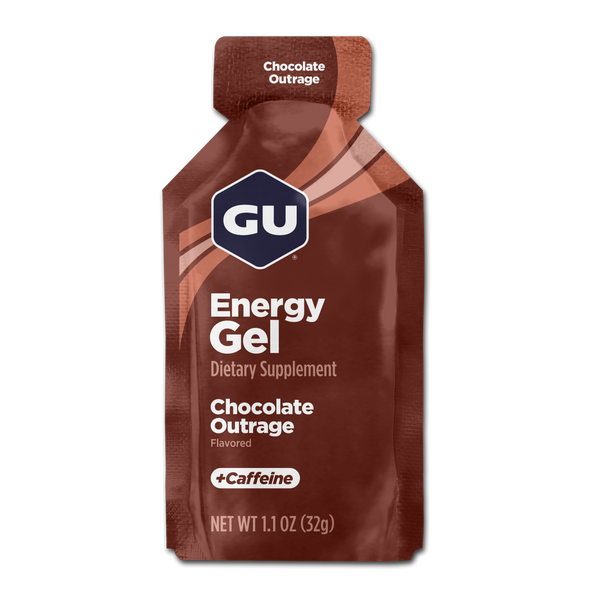
- Example: one GU Energy Gel before a 45‑minute easy run
Save higher fueling targets for longer or higher-intensity sessions where race-day practice matters most.
Important Disclaimer These recommendations are general guidelines for educational purposes only and are not intended as medical or individualized nutrition advice. Needs vary based on body size, training status, health history, and environmental conditions. GU Energy products are designed to complement a balanced diet, not replace one. Consult a qualified sports dietitian or healthcare professional before making significant changes to your nutrition strategy.